



Things to Do in Srinagar
BY RAABTA TRAVELS
Srinagar, the summer capital of Jammu & Kashmir, is where most Kashmir trips begin — and for good reason. Built around the shimmering Dal and Nigeen Lakes, the city blends Mughal history, houseboat culture, and bustling local markets into one of India’s most distinctive urban experiences.
Why Srinagar Deserves More Than a Passing Stop
Many travellers treat Srinagar as just a stopover before heading to Gulmarg or Pahalgam, but the city holds enough on its own to fill 2–3 full days — lakes, gardens, old-city heritage, and food that rarely makes it onto a rushed itinerary.
1. Shikara Ride on Dal Lake
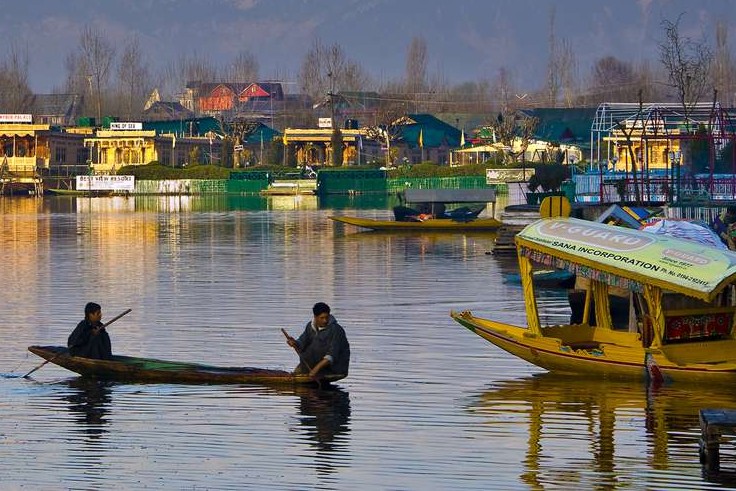
A Shikara ride is Srinagar’s signature experience — gliding across Dal Lake’s still waters, past floating gardens and houseboats, especially beautiful at sunrise or sunset.
Don’t miss: An early morning ride through Dal Lake’s floating vegetable market, where vendors trade produce directly from their boats.
2. A Night on a Houseboat
Staying aboard a traditional houseboat, with its carved walnut wood interiors, is one of the most iconic things to do in Srinagar. Many houseboats also arrange home-style Kashmiri meals for guests.
Where to stay: Dal Lake is more central and lively, while Nigeen Lake offers a quieter, more peaceful alternative.
3. Mughal Gardens
Srinagar’s terraced Mughal Gardens — Nishat Bagh, Shalimar Bagh, and Chashme Shahi — are laid out with fountains, chinar trees, and sweeping views over Dal Lake, reflecting centuries of Mughal influence in the valley.
Best time to visit: Spring, when the gardens are in full bloom, though they’re worth visiting in any season.
4. Srinagar’s Old City
The old city is home to landmarks like the Hazratbal Shrine, Jama Masjid, and centuries-old wooden mosques, alongside narrow lanes packed with local life rarely seen by rushed visitors.
Good to know: This is also where you’ll find the most authentic, reasonably priced local food.
5. Shopping for Local Crafts
Srinagar’s markets, particularly around Lal Chowk and Polo View, are known for pashmina shawls, hand-knotted carpets, walnut wood carvings, and Kashmiri saffron — all reflecting generations of local craft tradition.
Tip: Government emporiums offer more reliable quality and pricing for higher-value purchases like carpets and pashmina.
6. Tulip Garden (Spring Only)
Asia’s largest tulip garden blooms in Srinagar every April, with over a million tulips across its terraces — a short but spectacular seasonal highlight if your trip lines up with it.
Timing matters: The bloom typically lasts only a few weeks, so check dates before planning around it.
Tips for Exploring Srinagar
Start Early for Dal Lake: The floating market and calmer water are best experienced in the early morning, before the lake gets busy with tourist boats.
Negotiate Shikara and Houseboat Rates in Advance: Agreeing on pricing upfront avoids confusion later, especially during peak season.
Explore the Old City on Foot: Many of Srinagar’s most interesting corners are best seen walking, not by car.
Try Kashmiri Food Away From Tourist Spots: Old city restaurants often serve more authentic Wazwan and everyday Kashmiri dishes at better prices than lakeside establishments.
Best Time to Explore Srinagar
Spring (March–May): Tulip Garden in bloom, mild weather, and thinner crowds — ideal for garden visits.
Summer (June–August): Warm, pleasant days, the busiest season for houseboat bookings.
Autumn (September–November): Cooler, quieter, with golden chinar trees adding to the scenery.
Winter (December–February): A crisp, quiet version of the city, occasionally with light snowfall over the lake.
Frequently Asked Questions (FAQs)
Q: How many days should I spend in Srinagar?
Two to three days is generally enough to cover Dal Lake, the Mughal Gardens, and the old city at a relaxed pace, with time left for a houseboat stay.
Q: Is a houseboat stay worth it, or should I just stay in a hotel?
A houseboat stay is a genuinely unique experience worth doing at least once, even if you spend the rest of your trip in hotels elsewhere in the valley.
Q: Is Srinagar safe for solo travellers?
Srinagar’s main tourist areas see heavy footfall year-round and are generally well set up for visitors, including solo travellers.
Q: What is the best time to ride a Shikara?
Early morning for the floating market and calmer water, or sunset for the best light and photography.
Q: Can I visit Srinagar without visiting the rest of Kashmir?
Yes, Srinagar has enough on its own for a short 2–3 day trip, though most visitors combine it with at least one or two other destinations like Gulmarg or Pahalgam.
Conclusion
Srinagar is far more than just a gateway to the rest of Kashmir — its lakes, gardens, old city, and markets easily hold their own as a destination. Slowing down here, rather than rushing through on the way to the mountains, often turns out to be one of the most memorable parts of a Kashmir trip.
Ready to explore Srinagar?
Raabta Travels can arrange your houseboat stay, Shikara rides, and old-city experiences, along with the rest of your Kashmir itinerary. Contact Raabta Travels to make sure Srinagar gets the time it deserves on your trip.