



Best Time to Visit Kashmir
BY RAABTA TRAVELS
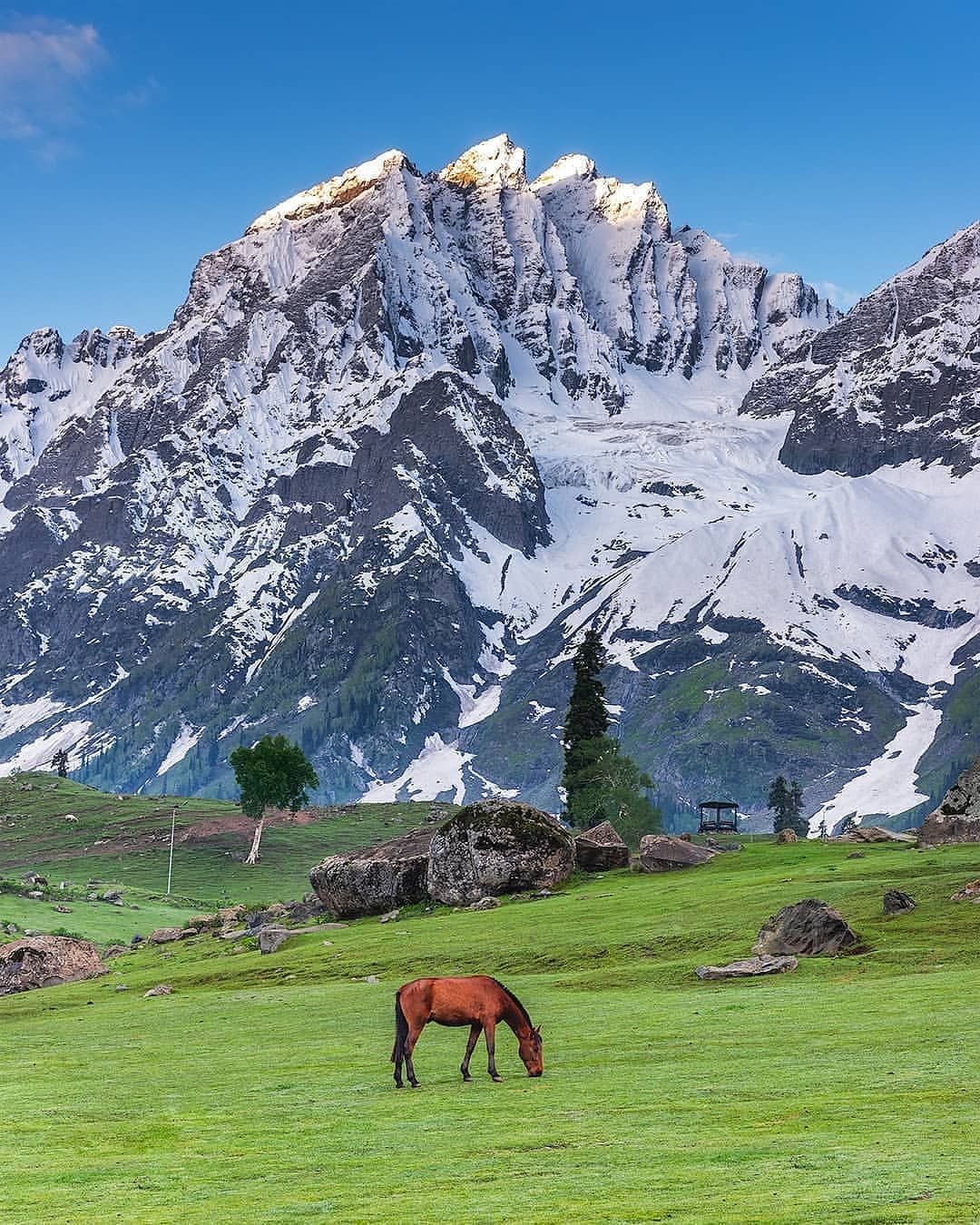
Kashmir is one of those rare destinations that genuinely transforms with every season. The valley that blooms with tulips in spring looks nothing like the snow-covered peaks of winter, and choosing the right time to visit depends entirely on what kind of trip you’re planning.
Why Timing Your Kashmir Trip Matters
Kashmir has four distinct seasons, and each one brings its own colours, activities, and crowd levels. A trek that’s only possible in summer, a snowfall that only happens in winter, or a garden that only blooms in spring — knowing what each season actually offers helps you avoid planning a trip around the wrong month.
1. Spring in Kashmir (March to May)
Spring is when the valley truly comes alive. Srinagar’s Tulip Garden, the largest in Asia, blooms in early April with over a million tulips, while almond trees across the valley break into pink and white blossoms.
Weather: Mild and pleasant, with thinner crowds than peak summer — ideal for garden visits and relaxed sightseeing.
2. Summer in Kashmir (June to August)
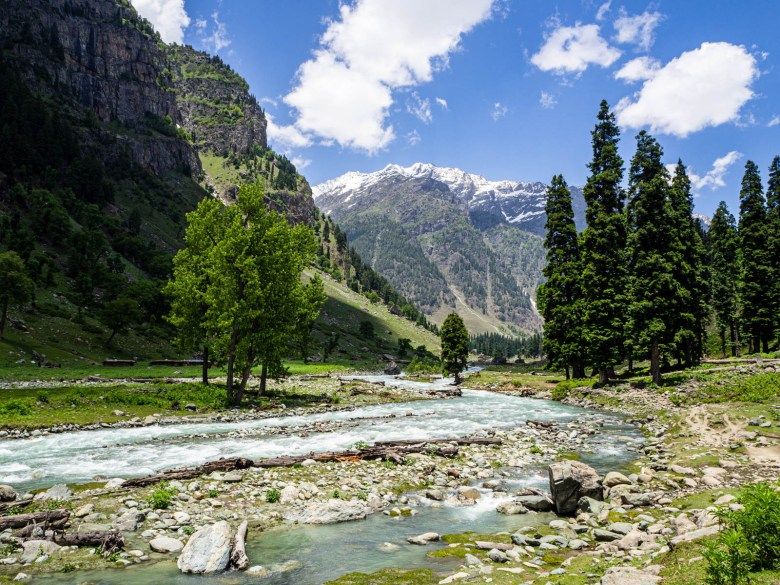
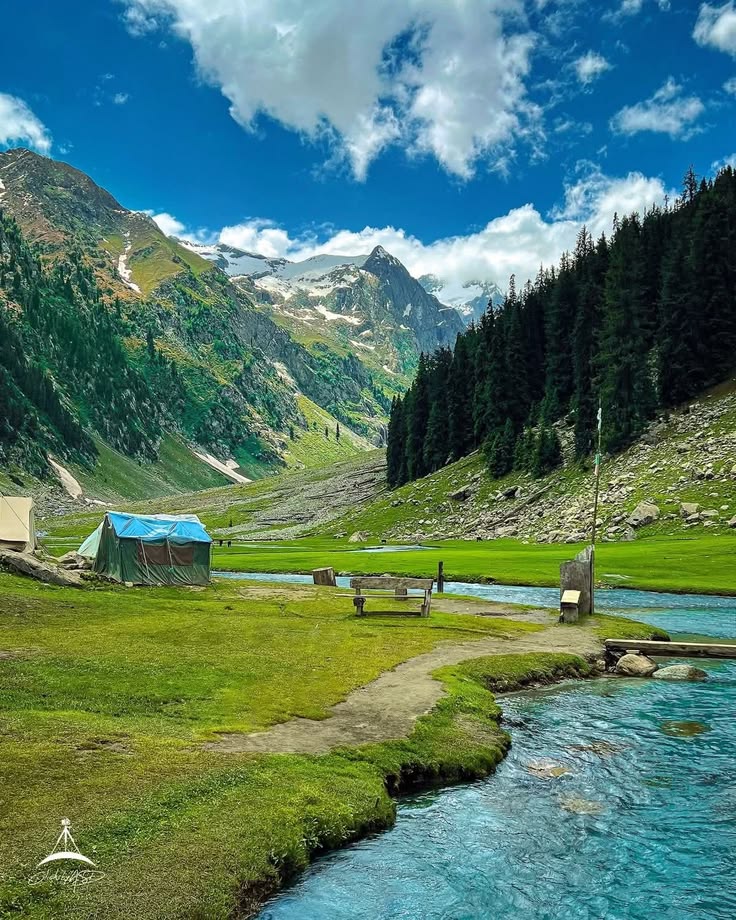
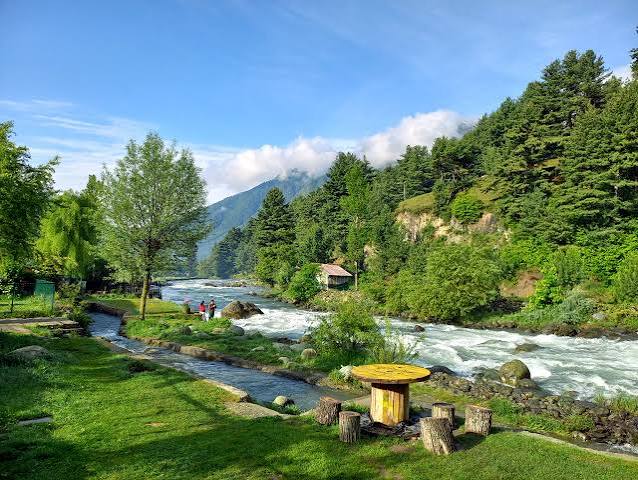
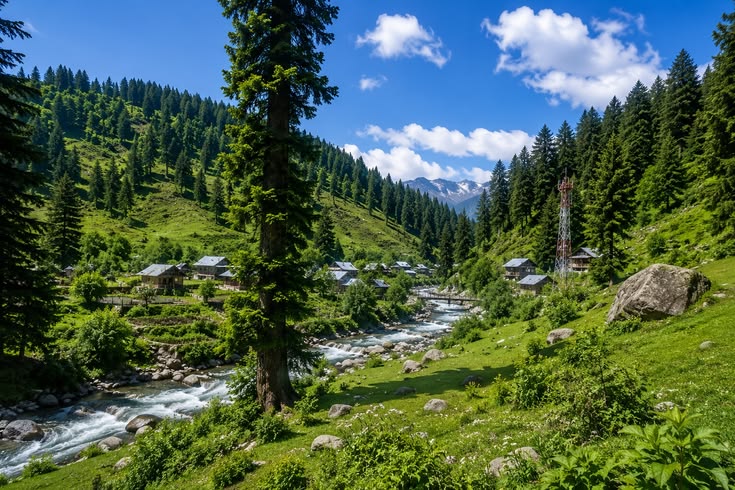
Summer is Kashmir’s most popular season, with daytime temperatures rarely crossing 25°C, offering a cool escape from the plains. It’s also when high-altitude trekking routes — the Kashmir Great Lakes, Tarsar Marsar, and Kolahoi Glacier — open up after the snow clears.
Weather: Warm days, cool evenings, and the widest range of activities available across the entire valley.
3. Autumn in Kashmir (September to November)
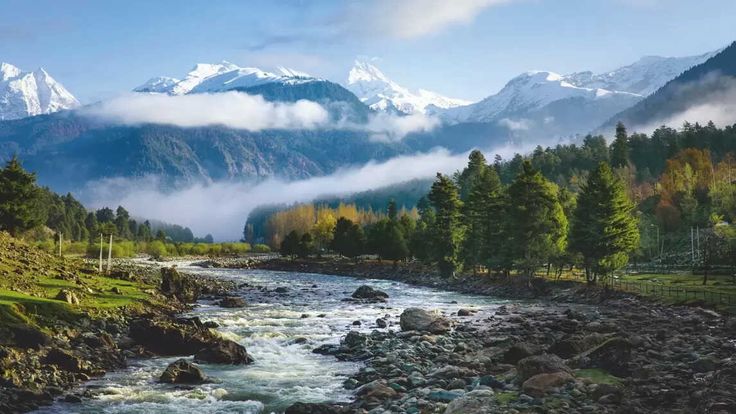
Autumn turns Kashmir’s chinar trees across Srinagar and Pahalgam into shades of gold, orange, and deep red, giving the valley its most photogenic look of the year.
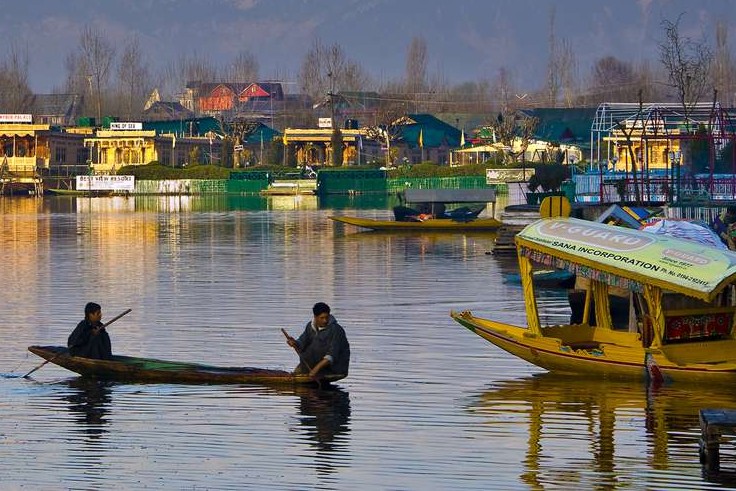
Weather: Cooler and quieter than summer, ideal for slow sightseeing and houseboat stays without the peak-season crowds.
4. Winter in Kashmir (December to February)
Winter transforms Gulmarg into one of Asia’s top snow destinations, with the Gulmarg Gondola carrying skiers and snowboarders high above snow-laden pine forests. Srinagar itself turns crisp and quiet, occasionally seeing snowfall over Dal Lake.
Weather: Cold, often below freezing in Gulmarg — the season to visit if snowfall is the priority.
Best Time to Visit, By What You’re Looking For
For First-Time Visitors: Summer (June–August) remains the safest bet, with pleasant weather and every major route and activity open.
For Fewer Crowds and Better Colours: Spring and autumn both offer milder crowds along with some of the valley’s best natural scenery.
For Snow: Winter in Gulmarg is unmatched, with December to January typically bringing the deepest, most reliable snowfall.
For Trekking: Summer is the only real option, as Kashmir’s high-altitude passes only clear of snow between June and September.
Tips for Planning Around the Seasons
Book Early for Peak Months: Summer and winter are Kashmir’s busiest seasons — book hotels, houseboats, and permits at least 3–4 weeks in advance.
Pack for the Season You Choose: Light layers for spring and autumn, breathable clothing for summer, and heavy woollens and waterproof boots for winter.
Check Trek Accessibility: If a specific trek is on your list, confirm it’s within its open season (June–September for most routes) before building your itinerary around it.
Consider Shoulder Seasons: Late May and early September often offer a good middle ground — decent weather with fewer crowds than peak months.
Best Places to Visit by Season
Spring: Srinagar’s Tulip Garden and Mughal Gardens are at their absolute best.
Summer: Sonamarg and Pahalgam, as gateways to Kashmir’s best treks, along with all of Srinagar’s usual highlights.
Autumn: Srinagar and Pahalgam for chinar-lined avenues and quieter sightseeing.
Winter: Gulmarg, hands down, for snow, skiing, and the Gondola ride.
Frequently Asked Questions (FAQs)
Q: What is the single best month to visit Kashmir?
There isn’t one universal answer — April for tulips, July for trekking, October for chinar colours, and January for snow are all strong picks depending on what you want.
Q: Is monsoon a good time to visit Kashmir?
Kashmir sees relatively light monsoon rainfall compared to the rest of India, so June to August remains pleasant, though occasional showers and landslide-prone routes can briefly affect travel to some valleys.
Q: When does it snow in Gulmarg?
Snowfall typically begins in December and continues through March, with the deepest snow usually around January.
Q: Can I trek in Kashmir outside of summer?
Most high-altitude treks are only accessible from June to September, as the higher mountain passes remain snow-covered the rest of the year.
Q: What is the coldest month in Kashmir?
January is typically the coldest month across the valley, especially in Gulmarg, where temperatures often drop well below freezing.
Conclusion
Kashmir doesn’t really have a wrong time to visit, only a different Kashmir waiting for you depending on when you arrive. Spring brings blossoms, summer brings open trails, autumn brings golden chinars, and winter brings snow-covered peaks — each season tells a different story about the same valley.
Ready to plan your Kashmir trip around the perfect season?
Raabta Travels helps you choose the right time, route, and experience for your Kashmir trip, whatever season you’re drawn to. From spring garden tours to winter snow getaways, our local expertise ensures your trip is timed just right. Contact Raabta Travels and let us help you plan a Kashmir journey that matches exactly what you’re looking for.