




Kashmiri Culture and Traditions
BY RAABTA TRAVELS
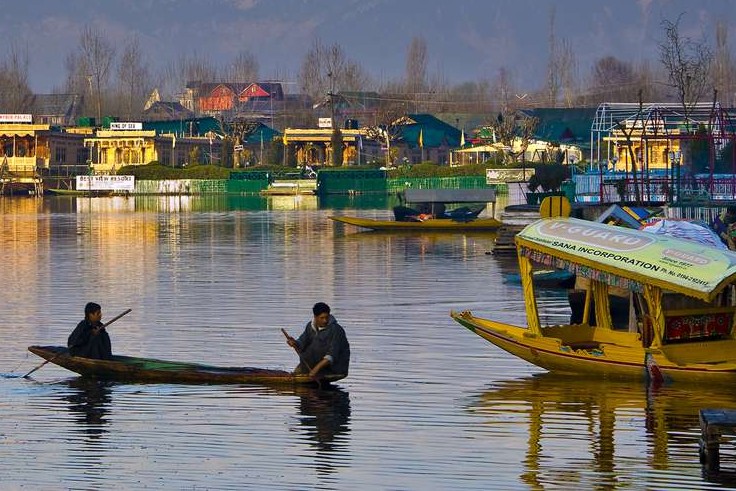
Beyond its lakes and mountains, Kashmir’s culture is one of the valley’s biggest draws — a blend of Central Asian, Persian, and local influences reflected in its crafts, food, festivals, and everyday hospitality.
Why Kashmir’s Culture Is Worth Experiencing
Most visitors come for the scenery, but Kashmir’s deeper appeal often lies in its culture — centuries-old craft traditions, distinctive music and dance, and a style of hospitality that turns even brief interactions into memorable ones. Taking the time to explore this side of the valley adds a layer most rushed itineraries miss.
1. Kashmiri Hospitality
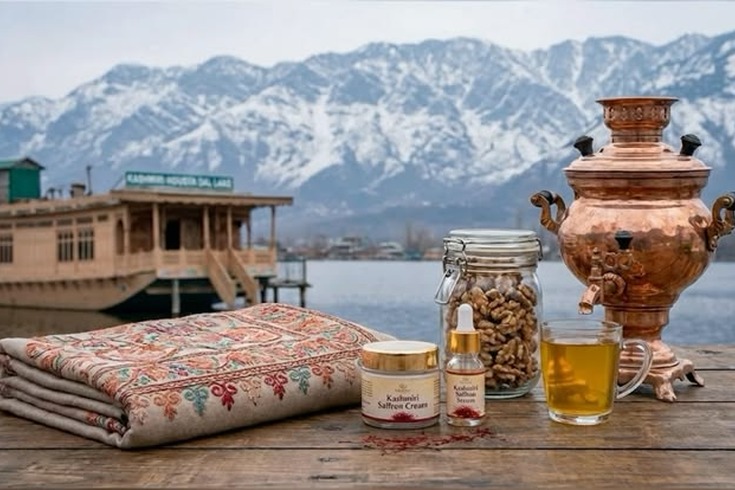
Kashmiri hospitality is famously warm, with guests often welcomed with Kahwa tea and treated with a level of care that goes well beyond typical tourist interactions. Sharing a cup of tea is a common way locals welcome visitors into their homes or shops.
Where you’ll feel it most: Houseboat stays and old-city shops, where conversation often comes with the transaction.
2. Pashmina Weaving
Pashmina shawl-making is a generations-old craft, with skilled weavers producing some of the finest woollen textiles in the world, often taking weeks to complete a single piece.
Good to know: Genuine pashmina is lightweight, warm, and slightly rough to the touch compared to machine-made imitations.
3. Carpet Weaving
Kashmiri carpet weaving, introduced centuries ago through Persian influence, remains a respected craft, with intricate floral and paisley designs hand-knotted by skilled artisans, often taking months to complete.
Good to know: Silk carpets are more delicate with a natural sheen; wool carpets are more durable for everyday use.
4. Sufiana Kalam and Rouf Dance
Sufiana Kalam, a classical form of Kashmiri music rooted in Sufi poetry, has been performed in the valley for centuries. Rouf, a traditional folk dance typically performed by women during festivals, is marked by rhythmic, synchronized movements.
Where to see it: Cultural festivals and, occasionally, at larger weddings and celebrations.
5. Festivals and Celebrations
Kashmir celebrates Eid-ul-Fitr and Eid-ul-Adha with significant festivity, while the annual Tulip Festival in Srinagar celebrates the blooming of over a million tulips and has become a major cultural and tourism event.
Timing tip: If you can time your trip around a festival, it adds a genuinely different layer to the visit.
6. Architecture and Religious Heritage
Srinagar is home to centuries-old wooden mosques, including the Jama Masjid, built in traditional Kashmiri style with distinctive pagoda-like roofs. Sites like the Martand Sun Temple ruins and Sufi shrines such as Hazratbal reflect Kashmir’s layered religious history.
Worth visiting: Even a short walk through Srinagar’s old city reveals much of this architectural heritage.
Tips for Experiencing Kashmiri Culture
Visit During a Festival: Timing your trip around the Tulip Festival or a local celebration adds a deeper cultural layer beyond typical sightseeing.
Spend Time in Local Markets: Srinagar’s markets are a good way to see craft traditions in action, from pashmina weaving to walnut wood carving.
Try a Home-Style Meal: A home-cooked or houseboat-style Kashmiri meal offers a more intimate look at local food culture than a typical restaurant visit.
Ask Questions: Kashmiri artisans and houseboat owners are often happy to explain their craft or traditions if you show genuine interest.
Best Time to Experience Kashmiri Culture
Spring: The Tulip Festival in April is one of the most accessible cultural events for visitors.
Eid Celebrations: Dates shift each year based on the lunar calendar, but visiting during Eid offers a genuine look at local festivity.
Year-Round: Craft traditions, hospitality, and architecture can be experienced any time of year, regardless of season.
Frequently Asked Questions (FAQs)
Q: Can tourists participate in Kashmiri festivals?
Yes, most festivals like the Tulip Festival are open to and welcoming of visitors. For religious observances like Eid, respectful, low-key participation as an observer is appreciated.
Q: Where can I see authentic Kashmiri craft-making in person?
Workshops and shops in Srinagar’s old city and around Lal Chowk often let visitors watch pashmina weaving or wood carving in progress.
Q: Is it appropriate to visit religious sites as a tourist?
Yes, sites like Hazratbal and Jama Masjid welcome visitors, provided you dress modestly and behave respectfully, especially during prayer times.
Q: What souvenirs best reflect Kashmiri culture?
Pashmina shawls, hand-knotted carpets, walnut wood carvings, and saffron are all genuine reflections of local craft traditions.
Q: Is Kashmiri food part of its cultural identity?
Absolutely — Wazwan, Kahwa, and everyday dishes like Yakhni are deeply tied to Kashmiri tradition and hospitality, often central to celebrations and daily life alike.
Conclusion
Kashmir’s culture runs just as deep as its natural beauty — centuries of craft traditions, music, festivals, and hospitality that shape how the valley welcomes its visitors. Taking the time to explore this side of Kashmir, alongside its lakes and mountains, makes for a far richer trip.
Ready to experience Kashmir’s culture firsthand?
Raabta Travels can point you towards genuine craft workshops, cultural sites, and local experiences beyond the standard tourist circuit. Contact Raabta Travels to plan a Kashmir trip that goes beyond the scenery.